
Water Heater Installation and Replacement
Why Hire Us As Your Providers?


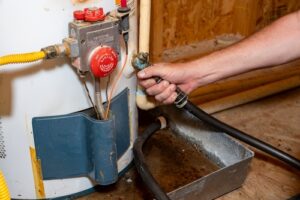
When It Is Time to Replace a Water Heater
-
Not Enough Hot Water:
If showers run cold, recovery takes too long, or the unit cannot keep up with normal use, the heater may be undersized, aging, or ready for replacement. -
Leaking Around the Tank or Connections:
Water near the heater should be checked quickly. A leaking tank often points toward replacement, while some connection issues may be repairable. -
Rusty or Discolored Hot Water:
Rust-colored hot water can come from corrosion inside the heater or related piping. A plumber can help separate water heater issues from wider plumbing concerns. -
Rumbling or Popping Sounds:
Sediment buildup can make a heater noisy and less efficient. The age and condition of the unit determine whether maintenance or replacement makes more sense. -
Tank or Tankless Upgrade Planning:
Some homes stay with a tank unit. Others consider tankless. The best fit depends on hot-water demand, gas or electrical capacity, venting, space, and budget. -
Storm and Hard-Water Wear:
Southwest Louisiana weather, mineral buildup, and older plumbing can all affect water heater life. A replacement plan should account for the whole setup, not just the tank.
Water heater replacement is easier to plan before the unit fails completely. If your Lake Charles home has lukewarm water, visible leaks, rusty hot water, or a heater that is near the end of its service life, Advantage Plumbing can help review the symptoms and explain practical next steps.
Water Heater Repair Warning Signs
-
No Hot Water or Inconsistent Heat:
A sudden loss of hot water may involve the heater, the power or gas supply, controls, or another service issue that needs a closer look. -
Water Around the Heater:
Moisture near the unit should be checked before it damages floors, walls, or surrounding storage areas. -
Low Hot-Water Pressure:
Poor flow can point to sediment, scaling, valve issues, fixture problems, or piping concerns. -
Older Unit Near End of Life:
If the heater is older and repair costs are rising, replacement may be the more practical long-term option. -
Tankless Error Codes or Slow Heat:
Tankless units may show codes, delayed hot water, or scale-related performance issues. Service should match the unit type and symptoms. -
Remodeling or Fixture Changes:
Bathroom, kitchen, and laundry changes can affect hot-water demand. A replacement plan should account for how the home will be used after the work.
If the problem is active, stop using nearby electrical items, keep the area clear, and call for service. For tankless-specific issues, visit the tankless water heater service page. For general replacement signs, read the Lake Charles water heater replacement guide.
Water Heater Questions
-
How do I know a water heater is failing?
Warning signs include not enough hot water, leaks, rust-colored hot water, unusual noise, or repeat service issues. -
Is tankless always better?
No. Tankless can be a good fit for some homes, but tank units still make sense for many properties. The right choice depends on demand, space, utility setup, and cost. -
Should I wait for a leak?
Waiting can increase the risk of water damage. If the unit is older or showing repeated warning signs, schedule an inspection before a full failure.
Contact Advantage Plumbing Today
If your water heater is leaking, failing, or no longer keeping up, call (337) 496-6701 or visit the contact page to schedule help from Advantage Plumbing.
Water Heater Installation FAQs
It depends on the age of the heater, the type of failure, the condition of the tank or connections, and whether the same problem keeps returning. A plumber can inspect the setup and explain the practical options.
Sometimes. Tankless upgrades can require planning around gas or electrical capacity, venting, water demand, and installation location. The existing plumbing setup should be reviewed before choosing the unit.
Write down the heater age, whether the issue affects all fixtures, whether water is leaking, and whether hot water is discolored, noisy, or inconsistent. This helps narrow the first diagnostic steps.
Advantage Plumbing serves Lake Charles, Moss Bluff, Westlake, Sulphur, and nearby Southwest Louisiana communities. Call with the address and the water heater symptoms to confirm scheduling.
Talk With a Local Plumber About Hot Water Problems
Quick Answer
Most residential tank water heaters are replaced somewhere around the 8-to-12 year mark, and hard water shortens that. The signals that replacement is due rather than repair are rusty or discolored hot water, a tank that leaks from the body rather than a fitting, popping or rumbling from sediment, and recovery that no longer keeps up with normal use. Advantage Plumbing installs and replaces tank and tankless water heaters across Lake Charles and the surrounding parishes, including Navien and Rheem equipment.
Frequently Asked Questions
How do I know if my water heater is failing?
Watch for rust-colored hot water, a drop in how long hot water lasts, popping or rumbling as sediment heats, moisture or corrosion around the base, and any weeping from the tank seam. A leak from a fitting can often be repaired; a leak from the tank body itself means replacement.
How long does a water heater last in Lake Charles?
Tank units commonly run 8 to 12 years and tankless units longer, but local water chemistry matters. Hard water accelerates scale on the heating surface, which is why flushing on a regular schedule meaningfully extends service life here.
Should I replace my tank with a tankless unit?
It depends on your hot water demand pattern, available gas supply and venting, and how long you plan to stay in the home. Tankless units heat on demand and take up less space; they also need adequate gas volume and periodic descaling. The existing gas line and venting should be evaluated before committing.
What size water heater does my home need?
Sizing comes from peak demand, not square footage. For a tank, that is capacity plus recovery rate; for tankless, it is flow rate at the temperature rise your incoming water requires. Winter matters, because colder incoming water increases the lift the unit has to produce.
Can I install a water heater myself?
Water heater installation involves gas or high-amperage electrical connections, venting, combustion air, and a temperature and pressure relief assembly. Errors carry carbon monoxide and scald risk, and improper work can void the manufacturer warranty. This is work for a licensed plumber.
